
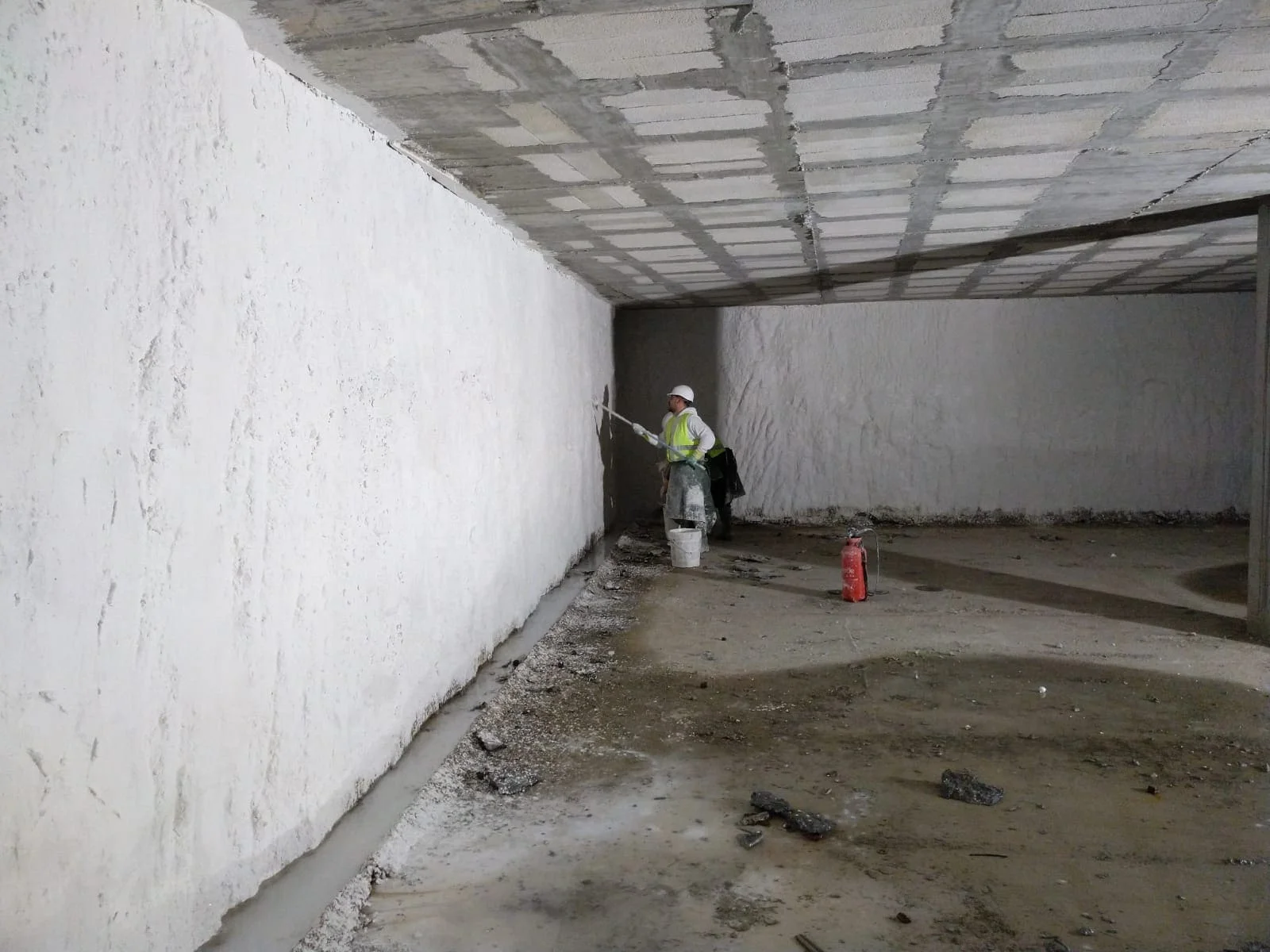
How to properly keep your basement moisture-free?
Houses with basements offer great flexibility, but they also have their weaknesses. The most common problem faced by owners of such houses is damp. It can seep in for a variety of reasons: burst pipes, cracks in the foundation, damaged pumps, or condensation of moist air. While a small puddle may not seem serious, moisture in the basement can cause significant problems, such as damaging the structural integrity of the home and creating an environment conducive to mold growth. This contaminates the air with spores and poses a health hazard, especially for vulnerable people. What can you do to deal with moisture in the basement? Read on to learn about some effective strategies to combat moisture and when it's time to seek help from a professional.
Step One: Identify sources of moisture in the basement
To successfully deal with moisture in the basement, you first need to find its source. It can be both internal and external. Internal sources of moisture include plumbing leaks and condensation, which manifest themselves through water stains on pipes and damp areas. External factors, such as rainwater and groundwater, are more difficult to detect but can be identified by rotten seals around windows and brown stains on walls or through cracks in the foundation.
Preventive measures to avoid moisture in the basement
To protect your basement from potential flooding and moisture build-up, you can take the following steps:
1. Provide adequate landscaping and drainageA: The soil around your home needs to be well maintained, and seasonal grasses and porous rocks can help drain water away from the foundation.
2. Install and maintain gutters and downspoutsA: Regular cleaning of gutters and downspouts is important for proper drainage.
3. Make sure the base is waterproofA: Use effective gaskets for egress windows and inspect the foundation for cracks that need to be sealed.
Active recovery techniques
If you already have moisture problems in your basement, these methods can help:
1. Use dehumidifiers and moisture absorbersA: They will reduce condensation and prevent mold growth.
2. Improve ventilation: Install or improve existing ventilation to ensure good air circulation.
3. Seal the cracks in the baseA: Small cracks can be sealed by yourself, but for larger and vertical cracks it is advisable to contact a specialist.
4. Clean places with mold: Use mold removers or undiluted vinegar for effective cleaning.
Long-term maintenance and monitoring of your basement
Even if the basement is not used daily, regular inspections for moisture, mold and cracks are essential. Be sure to clean areas that are prone to clogging, such as gutters and pump pits. If you notice cracks forming or a steady flow of water, contact a professional basement repair company for a consultation.
Be proactive and seek help when needed
Effectively combating basement moisture is essential not only to preserving your home, but also to your health. Be proactive and consistent in your maintenance efforts. If the situation gets out of hand or you need professional help, don't hesitate to contact the experts at Satecma. Email us at office@satecma.bg or call for consultation at 0886858601