
Waterproofing is essential to the durability and strength of any structure. In this context, cementitious waterproofing systems represent one of the most reliable and effective solutions. They combine traditional methods with modern technology to offer builders and building owners a number of advantages, especially in cases where large concrete components are involved.
What are cement waterproofings?
Cementitious waterproofing systems are based on Portland cement, which can be combined with or without sand and active waterproofing agent. Depending on the specific needs of the project, there are four basic types of cementitious systems:
- Metal systems
- Capillary systems
- Systems with chemical additives
- Acrylic modified systems
These systems are applicable in both positive and negative applications and also in restoration work. They are applied by brush or paving to concrete or masonry surfaces, integrating as an integral part of the structure's foundation.
Where are cementitious waterproofings used?
Cement systems are widely used in civil and infrastructure projects, both above and below ground level. Typical examples include:
- Tunnels
- Underground storage
- Water tanks
- Water and wastewater treatment facilities
- Elevator and escalator shafts
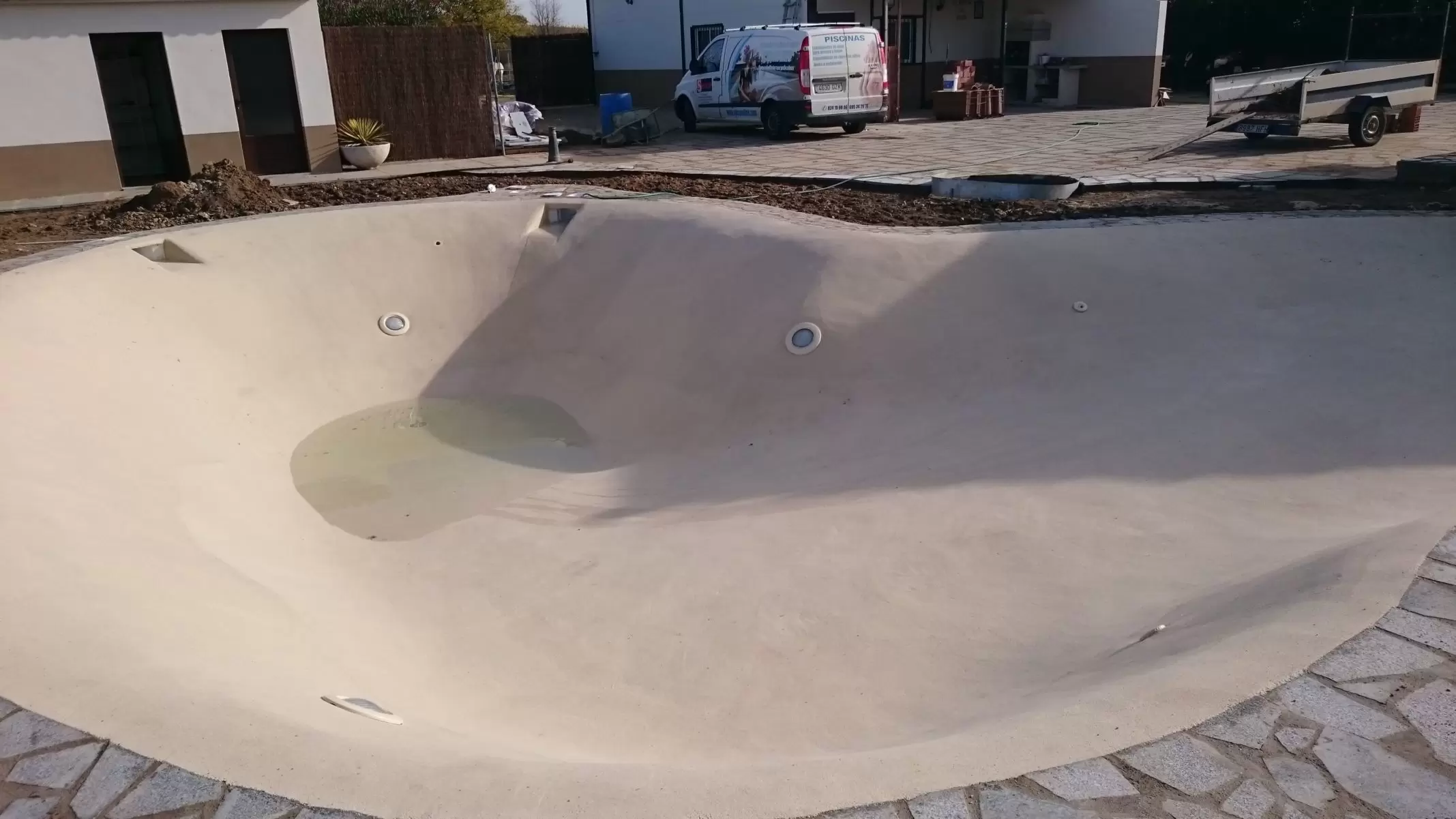
- Swimming pools
- Pools of cooling towers
These projects require reliability and durability, making cementitious systems the preferred choice. They are particularly effective in new construction where cost and time are critical factors.
The advantages of cement waterproofings
1. Easy application and compatibility
Cement systems are easy to specify and install, making them suitable for large projects with concrete components. They do not require a completely dry base, which greatly facilitates construction activities and saves time.
2. Resistance and durability
Cementitious waterproofings offer excellent freeze-thaw resistance, which is essential for areas below ground level. In addition, they do not require additional protection boards after application, making maintenance easier.
3. Flexibility in construction
These systems allow simultaneous waterproofing of walls and floors, eliminating the need for stages in the construction process. This is particularly important in new construction where waterproofing can be carried out at any phase of the project when it is most convenient.
Why choose cement waterproofing?
The choice of cementitious waterproofing systems is driven by their many advantages, especially for large infrastructure projects. These systems offer ease of application, resistance to harsh environments and flexibility to perform at different stages of the construction process. Although they do not have the ability to absorb movements or cracks, their effectiveness in areas below ground level has been proven over the years.
In conclusion, cementitious waterproofing remains a reliable and effective solution for all types of construction, providing long-lasting protection for your structures against water and moisture.